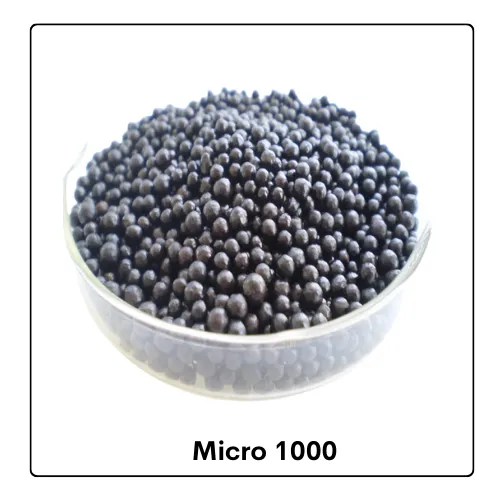
Micro 1000
Description
Micro 1000 VAM (Vesicular Arbuscular Mycorrhiza) with 100,000 IP/100 Gm is a game-changer for agriculture. It boosts nutrient absorption in plants, particularly phosphorus, resulting in higher yields and better crop quality. With reduced reliance on chemical fertilizers, it’s an eco-friendly choice for sustainable farming. Whether you’re a farmer or gardener, Micro 1000 VAM can help you achieve more while supporting a greener future.
100,000 आईपी/100 ग्राम के साथ माइक्रो 1000 वीएएम (वेसिकुलर अर्बुस्कुलर माइकोराइजा) कृषि के लिए एक गेम-चेंजर है। यह पौधों में पोषक तत्वों, विशेष रूप से फास्फोरस के अवशोषण को बढ़ावा देता है, जिसके परिणामस्वरूप अधिक पैदावार और बेहतर फसल की गुणवत्ता होती है। रासायनिक उर्वरकों पर निर्भरता कम होने के साथ, यह टिकाऊ खेती के लिए एक पर्यावरण-अनुकूल विकल्प है। चाहे आप किसान हों या माली, माइक्रो 1000 वीएएम आपको हरित भविष्य का समर्थन करते हुए और अधिक हासिल करने में मदद कर सकता है।
MECHANISM OF ACTION
- Hyphal Growth: VAM fungi form hyphal networks in the soil, which extend and explore the surrounding soil matrix.
- Root Colonization: The hyphae of VAM fungi penetrate plant root cells and establish a physical connection with the plant.
- Nutrient Uptake: VAM fungi enhance nutrient uptake for the plant, especially phosphorus, by increasing the surface area for absorption and mobilizing phosphate from the soil.
- Water Absorption: The fungal hyphae also improve the plant’s water absorption capacity, helping it withstand drought conditions.
- Pathogen Resistance: VAM fungi can stimulate the plant’s defense mechanisms, making it more resistant to certain soil-borne pathogens.
- Enhanced Plant Growth: This mutualistic relationship promotes overall plant growth, vigor, and health.
- Improved Stress Tolerance: VAM fungi assist plants in coping with various environmental stressors, including nutrient deficiency and soil disturbances.
- Carbon Exchange: Plants provide VAM fungi with carbohydrates, and in return, the fungi supply essential nutrients to the plant, creating a mutually beneficial exchange.
DOSE OF Micro 1000
- 500Gm/Acre
BENEFITS OF Micro 1000
- Improved Nutrient Uptake: Enhances the plant’s ability to absorb essential nutrients, especially phosphorus.
- Enhanced Water Absorption: Increases the plant’s water uptake efficiency, aiding in drought resistance.
- Higher Crop Yields: Promotes healthier and more productive crops, leading to increased yields.
- Reduced Fertilizer Dependency: Decreases the need for chemical fertilizers, saving on costs and reducing environmental impact.
- Stress Tolerance: Helps plants withstand various environmental stressors, such as nutrient deficiency and soil disturbances.
- Soil Health: Improves soil structure and fertility by enhancing microbial activity.
- Sustainable Agriculture: Supports eco-friendly and sustainable farming practices.
- Pathogen Resistance: Enhances plant defense mechanisms, reducing susceptibility to soil-borne diseases.
- Increased Root Development: Promotes robust root growth, further enhancing nutrient and water uptake.
- Overall Plant Health: Contributes to healthier, more vigorous plants with better disease resistance.
CROPS
- Grains (e.g., Wheat, Rice, Corn), Legumes (e.g., Soybeans, Peas, Beans), Fruits (e.g., Tomatoes, Apples, Citrus), Vegetables (e.g., Carrots, Lettuce, Broccoli), Oilseeds (e.g., Sunflowers, Canola), Tubers (e.g., Potatoes, Sweet Potatoes), Herbs and Spices (e.g., Basil, Oregano), Ornamental Plants (e.g., Roses, Lilies), Cash Crops (e.g., Cotton, Sugarcane), Berries (e.g., Strawberries, Blueberries)